
Pre-Existing Condition Warranty: 5 Proven Defenses
Pre-existing conditions are the number one reason extended warranty claims get denied. And here's the honest truth most articles won't tell you: many of those denials are legitimate.
Warranty providers aren't in business to pay for problems that existed before coverage began. When someone buys a warranty knowing their transmission is slipping, then files a claim two months later, that's not a covered breakdown—that's attempted fraud. The warranty company is right to deny it.
But here's the good news: if you're a responsible vehicle owner who does things the right way, pre-existing condition denials are largely avoidable. The key is understanding what counts as pre-existing, how providers investigate claims, and the specific steps you can take to protect yourself.
This guide gives you five proven defenses against pre-existing condition denials—not loopholes or tricks, but legitimate strategies that honest vehicle owners can use to ensure they're protected when something genuinely breaks.

A pre-purchase inspection establishes your vehicle's baseline condition before warranty coverage begins.
What Counts as a Pre-Existing Condition Warranty Issue?
A pre-existing condition is any mechanical problem, defect, or abnormal wear that existed before your vehicle service contract coverage began. This includes issues you knew about and issues you didn't—the determining factor is when the problem started, not when you became aware of it.
According to the FTC's guide on auto service contracts, warranty providers have the right to deny claims for conditions that predate coverage. This is standard across the industry and exists for good reason: without this protection, people would only buy warranties after problems developed, making coverage unaffordable for everyone.
The gray area: Most mechanical failures don't happen overnight. A transmission doesn't go from perfect to destroyed in an instant—internal components wear gradually until failure occurs. This creates legitimate disputes about when a "condition" actually began.
For example:
- Your engine has 95,000 miles of normal wear when you buy coverage
- At 97,000 miles, an internal component fails
- An inspector finds evidence of "prior wear"
- Was this a pre-existing condition or normal operation followed by unexpected failure?
This is where documentation becomes your best friend—and why the defenses below matter so much.
Defense #1: Buy Coverage When the Car is New or Low-Mileage
The simplest defense against pre-existing condition denials is to purchase coverage when there's virtually no opportunity for pre-existing conditions to exist.
If you buy a vehicle service contract on a new car or certified pre-owned vehicle with low miles and documented history, you're starting with a clean slate. Any mechanical failure that occurs later is clearly something that developed after coverage began.
Ideal timing:
- New vehicle at purchase
- CPO vehicle with manufacturer inspection documentation
- Low-mileage used vehicle (under 50,000 miles) with clean history
This is the gold standard—but it's not always realistic. Many people buy higher-mileage used vehicles or want coverage for cars they've owned for years. That's where the remaining defenses come in.
Defense #2: Control the Process When Buying Used
If you're purchasing a used vehicle, the time to protect yourself from pre-existing condition issues is before you complete the purchase—not after.
Run a Vehicle History Report First
Before even visiting a dealership or meeting a private seller, run a comprehensive vehicle history report. This reveals critical information that could indicate pre-existing conditions:
- Accident history: Previous damage that may have affected mechanical components
- Salvage or rebuilt titles: Indicates the vehicle was totaled and repaired
- Auction history with photos: Shows actual condition when sold at wholesale
- Service records: Reveals what maintenance was (or wasn't) performed
- Odometer discrepancies: Could indicate tampering or unreported issues
A vehicle with hidden damage history is more likely to have pre-existing mechanical conditions—and more likely to face claim scrutiny later. Know what you're buying before you buy it.
Buying from a Dealer
Dealers inspect every vehicle they acquire. They know what's wrong with it. The question is whether they fixed the issues or are hoping to pass them along to you.
Some states have stricter regulations around vehicle service contracts. For example, California law requires VSCs to be sold only through licensed dealers—the theory being that dealers recondition vehicles before sale, adding perceived value and consumer protection.
But reconditioning quality varies wildly. Smart buyers demand documentation regardless of state regulations:
Ask for these documents:
- Initial inspection report: What did they find when they acquired the vehicle?
- Reconditioning records: What was actually repaired or replaced?
- Service history: Any available maintenance records from previous owner
Red flag: A dealer who won't share inspection or reconditioning documentation. Honest dealers have nothing to hide. If they're evasive about what they found and fixed, consider it your signal to walk away—or at minimum, get your own independent inspection before proceeding.
Once you have documentation showing the vehicle's condition and any repairs made, you're in a strong position to purchase warranty coverage knowing you have a paper trail establishing the car's baseline condition.
🔍 The Hidden Leak Problem
When dealers prepare vehicles for sale, engine cleaning is standard practice. It's inexpensive, makes the car more presentable, and buyers expect a clean engine bay. There's nothing wrong with it.
But here's what smart buyers need to know: a freshly detailed engine means any prior leak evidence has been washed away.
Seal and gasket leaks are one of the most common sources of pre-existing condition denials. A slow oil leak or coolant seep that existed before you bought the car can lead to low fluid levels, overheating, and eventual engine or transmission failure months down the road. When you file a claim, the investigation finds evidence of a long-term leak—and your claim is denied. This is closely related to consequential damage issues that can void your coverage.
What to look for on a detailed engine:
- Fresh fluid on old grime (look at areas the detail might have missed)
- Residue in crevices and hard-to-reach spots
- Staining on components below potential leak points (gravity doesn't lie)
- Wet spots on the ground after the car sits overnight
- Fluid levels that seem freshly topped off
For pre-purchase inspections: Tell your mechanic that checking for leaks and seepage is your top priority—not just standard maintenance items and codes. A good mechanic will put the car on a lift and examine the underside carefully. Evidence of chronic leaks often survives even a thorough detail if you know where to look.
Buying from a Private Seller
Private sales require more initiative on your part, but the principle is the same: establish documented condition before purchasing coverage.
- Get an independent pre-purchase inspection (your mechanic, not theirs)
- Review the findings: What issues exist? What's normal wear vs. concerning?
- Negotiate: Have seller fix issues OR reduce price so you can fix them
- Complete repairs before enrolling in warranty
- Keep all documentation—inspection report, repair invoices, photos
This process takes the warranty purchase from an afterthought to the final step in a smart buying process. You start coverage with documented proof of your vehicle's condition. For more on this approach, see our complete guide to buying extended warranty for used cars.
Owners of BMW, Mercedes, Audi, and other European luxury vehicles should be especially diligent—these cars have complex systems with expensive repairs, and pre-existing condition scrutiny tends to be higher on high-cost claims.
⚠️ Why Documentation Protects Everyone
Here's a dynamic most consumers don't see: When a dealer sells you a car AND a warranty, their interests aren't always aligned with yours—or the warranty company's.
A small number of bad actors know exactly what's wrong with a vehicle (they inspected it), skip proper reconditioning to save money, then sell both the car and a service contract. Some even suggest the customer "wait a few weeks before filing any claims"—advice that sounds helpful but may be designed to distance the sale from an inevitable breakdown.
When the failure happens, the warranty company investigates, finds evidence of a pre-existing condition, and denies the claim. The customer blames the warranty company. The dealer shrugs and points fingers.
Everyone loses except the dealer who cut corners.
This is exactly why demanding inspection and repair documentation matters. It's not just about protecting yourself from a warranty denial—it's about ensuring you're not being set up from the start. Honest dealers have nothing to hide. If they won't show you what they found and fixed, that's your red flag to walk away.
Defense #3: Already Own It? Inspect and Fix First
What if you already own the vehicle and want to add coverage? The same principle applies: establish condition, address known issues, then enroll.
Step 1: Get a current inspection
Take your car to a trusted mechanic for a comprehensive inspection. Ask them to document everything—what's working properly, what shows normal wear, and what needs attention.
Step 2: Address any issues found
If the inspection reveals problems, fix them before purchasing warranty coverage. Yes, this costs money upfront. But it's far better than paying for coverage that won't help you because the issue was pre-existing.
Step 3: Keep all documentation
The inspection report and repair invoices become your proof that known issues were addressed before coverage began. If a related claim arises later, you have evidence that the vehicle was in proper condition when you enrolled.
This is especially important for owners of vehicles with known issues—like certain Subaru head gasket concerns, Hyundai and Kia Theta II engine issues, or Nissan CVT transmission problems. If your vehicle has a known weakness, documenting its current condition is critical.
Defense #4: Document Everything Going Forward
Even if you don't know your vehicle's complete history, you can start building a paper trail from today forward. This documentation becomes increasingly valuable over time and serves as evidence of your vehicle's condition and your responsible ownership.
What to Document
| Document Type | What to Include | Why It Matters |
|---|---|---|
| Maintenance Receipts | Date, mileage, service performed, parts used | Proves proper maintenance—critical for claim approval |
| Inspection Reports | Mechanic's findings, condition notes | Establishes baseline condition at specific dates |
| Photos | Engine bay, undercarriage, odometer, any areas of concern | Visual evidence of condition at enrollment |
| Mileage Log | Odometer readings with dates | Shows driving patterns, supports waiting period compliance |
| DIY Maintenance Records | Parts receipts, dates, mileage, notes on work performed | Proves maintenance even without shop invoices |
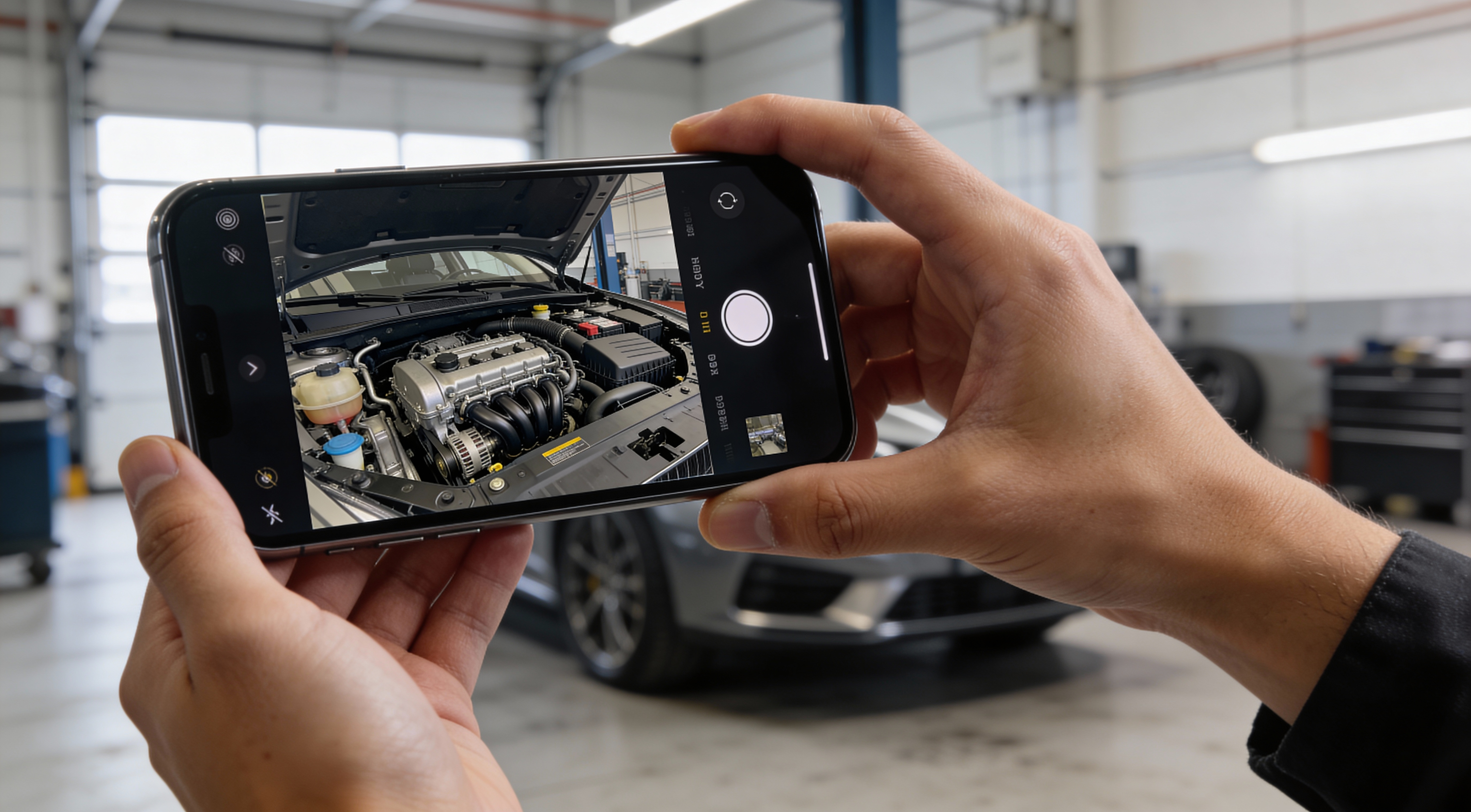
Taking dated photos of your engine bay and undercarriage creates visual proof of condition at enrollment.
What If You Don’t Know the Vehicle’s History?
Many used car buyers acquire vehicles with incomplete service records. You can't change the past, but you can control what happens from here:
- Start fresh: Get a baseline inspection and begin documenting from today
- Request available history: Ask seller for any records, check manufacturer service records, run vehicle history report
- Be consistent going forward: Regular maintenance at shops that provide detailed invoices builds a strong record over time
- Keep everything: Even receipts for oil changes and minor services matter
The longer you maintain good records, the stronger your position becomes. If a claim arises two years after enrollment with a solid documentation trail showing consistent maintenance, you're in a much better position than someone with no records at all.
Owners of reliable brands like Toyota, Honda, and Mazda often assume documentation doesn't matter because their cars are dependable. But when something does fail—and eventually everything can—proper records are what separate an approved claim from a denied one.
Defense #5: Maintain Properly—Always
This defense isn't just about pre-existing conditions—it's about claim approval generally. But it connects directly: a vehicle that's been poorly maintained is more likely to face pre-existing condition scrutiny because investigators will question whether failures resulted from neglect.
Follow the manufacturer's maintenance schedule:
- Oil changes at recommended intervals (don't stretch them)
- Transmission fluid, coolant, and other fluid services on schedule
- Timing belt/chain replacement at specified mileage if applicable
- Brake inspections and service as needed
The Better Business Bureau recommends keeping all maintenance records organized and accessible. When a claim arises, the first thing most warranty companies request is service history. Complete records demonstrate responsible ownership; missing records raise questions.
During the waiting period:
Most warranties have a waiting period (commonly 30-60 days and 500-1,000 miles) before coverage activates. This is when your vehicle's condition is essentially being established. Continue normal maintenance, don't ignore warning signs, and keep driving patterns typical of your normal use.
If something genuinely breaks during the waiting period, document it but understand it won't be covered—that's the purpose of the waiting period. What you shouldn't do is try to "wait out" a known issue and then file a claim. That's exactly the behavior waiting periods are designed to prevent, and investigators are trained to identify it.
The Waiting Period: Your Friend, Not Your Enemy
Many consumers view waiting periods as an obstacle. In reality, they protect honest customers.
Why waiting periods exist:
- Prevent people from buying coverage only after problems develop
- Keep premiums affordable for everyone
- Allow providers to cover high-mileage and older vehicles without inspections
Think about it: if there were no waiting period, people would simply wait until something broke, buy coverage, file a claim, then cancel. The only people paying premiums would be those expecting immediate repairs. Costs would skyrocket, and coverage would become unaffordable for responsible owners who want genuine protection.
The waiting period is what makes it possible to offer coverage on vehicles up to 250,000 miles without requiring expensive pre-purchase inspections. It's a trade-off that benefits honest customers.
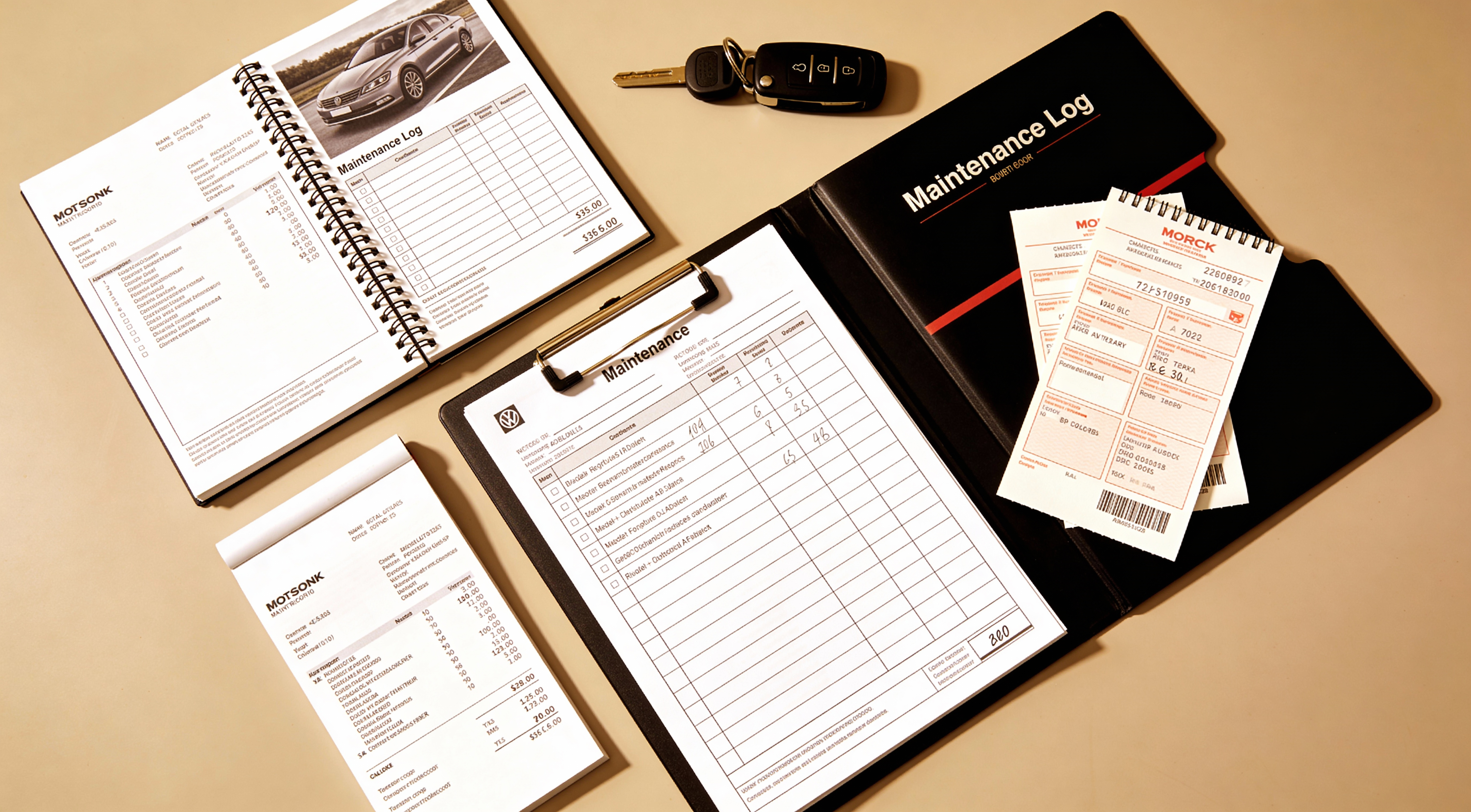
Organized maintenance records are your best defense against pre-existing condition claim denials.
What to Do If You’re Denied for Pre-Existing Condition
Even with proper precautions, denials can happen. If you believe a pre-existing condition denial is incorrect, you have options:
- Request written explanation: Get the specific reason and contract language cited
- Review your documentation: What evidence do you have of vehicle condition at enrollment?
- File a formal appeal: Submit in writing with all supporting documentation
- Escalate if needed:
- State Attorney General consumer complaint
- Better Business Bureau complaint
- State Insurance Commissioner if provider is insurance-backed
For a complete guide on fighting denied claims, see our article: Extended Warranty Denied? 7 Hidden Reasons & How to Win.
The Bottom Line: Do the Right Thing
Pre-existing condition denials aren't a conspiracy against consumers. They're a necessary protection that keeps coverage affordable and available for everyone. The vast majority of these denials are legitimate—someone tried to cover a problem that was already there.
But if you're a responsible vehicle owner who:
- Buys coverage in good faith without known issues
- Documents vehicle condition at enrollment
- Maintains the vehicle properly
- Keeps organized records
You have very little to worry about. Pre-existing condition denials happen to people who try to game the system or who fail to document their vehicle's condition. They rarely happen to prepared, honest owners.
Do the right thing, document it, and you'll be fine.
Ready for Straightforward Coverage?
VIP Warranty for Life offers exclusionary coverage with transparent terms. No inspection required, vehicles up to 250,000 miles accepted. Simple monthly payments, cancel anytime.
See Your Coverage Options →Frequently Asked Questions
What exactly counts as a pre-existing condition for extended warranty?
A pre-existing condition is any mechanical problem, defect, or abnormal wear that existed before your warranty coverage began—regardless of whether you knew about it. This includes obvious issues like a slipping transmission, as well as hidden problems like internal engine wear that hadn't yet caused symptoms. The key factor is when the condition started developing, not when you became aware of it.
How do warranty companies investigate pre-existing conditions?
When you file a claim, the warranty company may send an inspector or require the repair shop to document findings before approval. Investigators examine the failed component for signs of prior wear, contamination, or damage that predates coverage. They may also request maintenance records, vehicle history, and information about when symptoms first appeared. Consistent documentation of your vehicle's condition and maintenance history is your best defense.
Can I buy extended warranty coverage if my car already has problems?
You can purchase coverage, but any existing problems won't be covered—that's the definition of pre-existing condition. The smart approach is to fix known issues first, document the repairs, then purchase coverage. This way you start with a clean slate and any future problems that develop will be legitimate covered claims.
Why do some states require vehicle service contracts to be sold through dealers?
States like California require VSCs to be sold only through licensed dealers, based on the theory that dealers recondition vehicles before sale—creating a known baseline condition. However, reconditioning quality varies significantly between dealers. Regardless of state regulations, smart buyers should always request inspection and repair documentation to verify what work was actually performed before purchase.
What is the waiting period and why does it exist?
The waiting period is typically 30-60 days and 500-1,000 miles before coverage activates. It prevents people from buying coverage only after a problem develops, then filing an immediate claim. Without waiting periods, only people expecting imminent repairs would buy coverage, making it unaffordable for everyone. The waiting period is what allows providers to cover high-mileage vehicles without requiring expensive inspections.
What documentation should I keep to protect against pre-existing condition denials?
Keep all maintenance receipts with dates and mileage, inspection reports, repair invoices, photos of your vehicle's condition at enrollment, and a mileage log. If you do your own maintenance, save parts receipts with notes about work performed. This documentation establishes your vehicle's baseline condition and demonstrates responsible ownership—both critical factors if a claim is ever questioned.
Can I appeal a pre-existing condition denial?
Yes. Request a written explanation with specific contract language cited, gather your documentation proving vehicle condition at enrollment, and file a formal written appeal. If the internal appeal fails, you can escalate to your state Attorney General, the Better Business Bureau, or state insurance commissioner. Strong documentation is essential for successful appeals.
What if I don’t know my used car’s maintenance history?
Start fresh from today. Get a baseline inspection, begin consistent maintenance at shops that provide detailed invoices, and keep all records going forward. Request any available history from the seller, check manufacturer service records, and run a vehicle history report. You can't change the past, but you can build a strong documentation trail from the moment you take ownership.