
Extended Warranty Denied? 7 Hidden Reasons & How to Win
You paid your premiums faithfully for months or even years. Then your car broke down, you filed a claim, and received the dreaded response: denied.
You're not alone. Thousands of vehicle owners each year face the frustration of having their extended warranty claim rejected, often without a clear explanation. The extended warranty industry has faced increased scrutiny recently. A 2024 FTC consumer alert and multiple class action lawsuits have highlighted patterns of claim denials that leave consumers paying out of pocket for repairs they thought were covered.
Understanding why claims get denied is the first step to protecting yourself—whether you're fighting a current denial or shopping for coverage that won't let you down.
This guide breaks down the 7 most common reasons extended warranty claims are denied, how to appeal a rejection, and what to look for in coverage that actually pays when you need it.
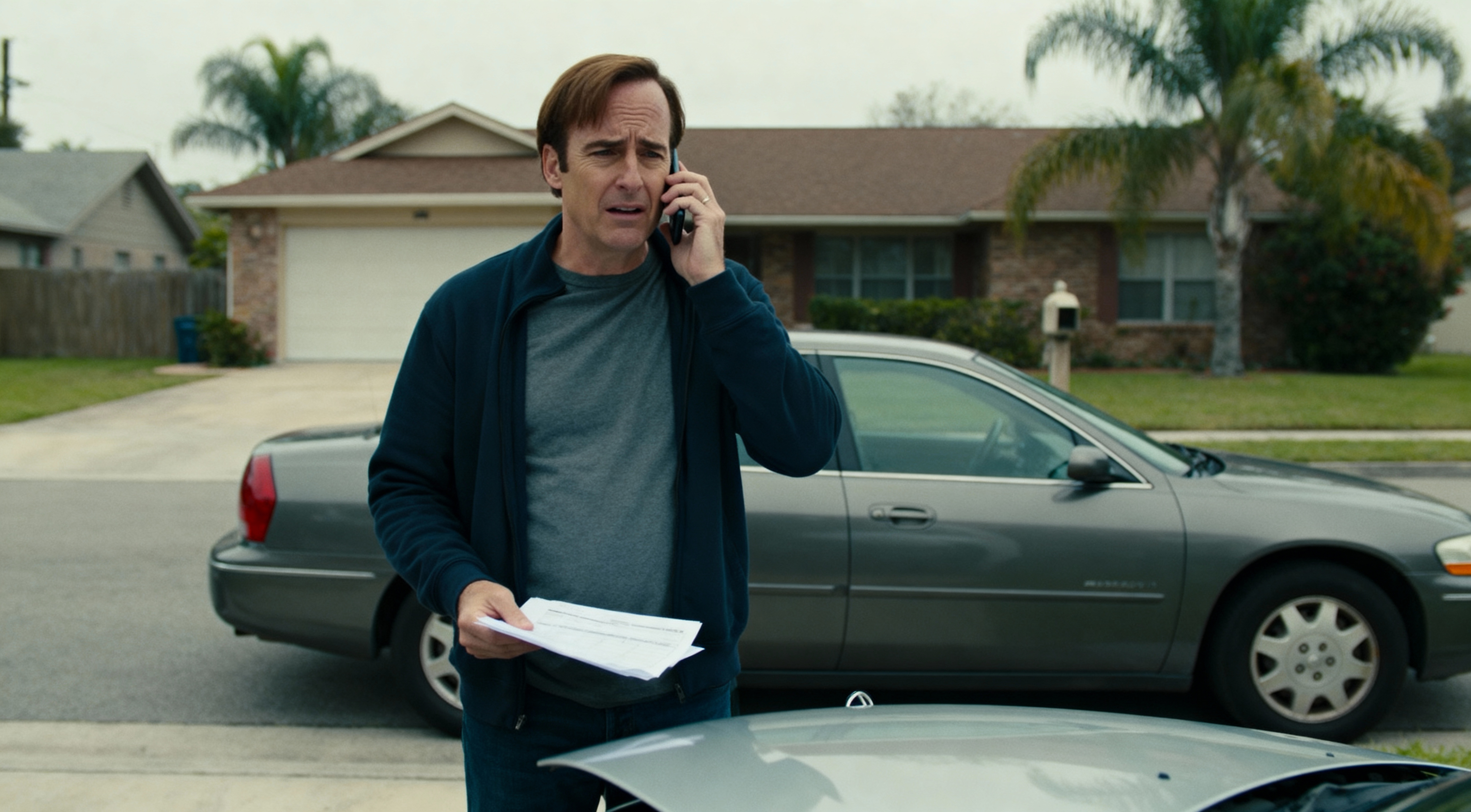
Receiving a claim denial is frustrating—but understanding why it happened is the first step to fighting back.
Why Extended Warranty Claims Get Denied
When your car warranty denied claim notice arrives, the reason often falls into one of seven categories. Some are legitimate based on contract terms. Others stem from miscommunication, documentation gaps, or coverage limitations that weren't clearly explained at purchase.
Let's examine each one so you know exactly what you're dealing with.
Reason #1: Pre-Existing Conditions
This is the single most common reason for extended warranty denials. The warranty company claims the problem existed before your coverage started, even if you had no idea anything was wrong.
How it happens: You purchase coverage, and three months later your transmission fails. The warranty provider sends an inspector who determines there was "prior wear" or "contamination" that predated your policy. Claim denied.
The challenge is that many mechanical issues develop gradually. A transmission doesn't fail overnight—internal components wear over time until failure occurs. This gray area gives some providers leverage to deny claims by arguing the "condition" existed before coverage, even when there were no symptoms or warning signs.
What you can do:
- Get a pre-purchase inspection before buying coverage and keep the report
- Document your vehicle's condition with photos and maintenance records
- Understand the waiting period requirements (typically 30 days and 500-1,000 miles)
- Ask specifically how the provider defines and investigates pre-existing conditions
For a deeper dive into this topic, see our complete guide: Pre-Existing Condition Warranty: 5 Proven Defenses.
Reason #2: Missing or Incomplete Maintenance Records
Most extended warranties require you to follow the manufacturer's recommended maintenance schedule. If you can't prove you did, your claim may be denied.
How it happens: Your engine fails, and you file a claim. The warranty company asks for oil change records. You changed the oil yourself or used a quick-lube shop that didn't keep detailed records. Without documentation, the provider denies coverage, claiming the failure resulted from improper maintenance.
This requirement exists because lack of maintenance genuinely does cause failures. However, some providers use documentation technicalities to deny otherwise valid claims.
What you can do:
- Keep every receipt for oil changes, fluid flushes, and scheduled maintenance
- If you do your own maintenance, keep receipts for parts and fluids with dates and mileage noted
- Use a maintenance tracking app or spreadsheet
- Get maintenance done at shops that provide detailed invoices
Owners of vehicles like Toyota, Honda, and Mazda often have straightforward maintenance requirements. Luxury brands like BMW, Mercedes, and Audi may have more complex service intervals that require careful tracking.
Reason #3: Waiting Period Violations
Every extended warranty has a waiting period—typically 30 days and 500 to 1,000 miles—before coverage kicks in. Claims filed during this window are automatically denied.
How it happens: You purchase coverage knowing your car has been making a strange noise. Two weeks later, you file a claim. Denied. The waiting period exists specifically to prevent this scenario.
While this denial reason is usually legitimate, disputes arise when customers weren't clearly informed about waiting periods or when they genuinely had no indication of a problem until after purchase.
What you can do:
- Understand the exact waiting period before purchasing (days AND miles)
- Don't buy coverage if you suspect an existing issue—it won't be covered anyway
- Keep documentation of your vehicle's condition during the waiting period
- Note your odometer reading on the purchase date
Reason #4: Non-Covered Components (The Stated vs. Exclusionary Gap)
This is where the difference between coverage types becomes critical. Many consumers don't realize there are two fundamentally different approaches to extended warranty coverage.
Stated component coverage (most common): Only parts specifically listed in your contract are covered. Modern vehicles have nearly 30,000 parts. Your contract might list 100-200. Everything else? Not covered.
Exclusionary coverage (less common): Everything is covered EXCEPT items specifically listed as exclusions. This is closer to what manufacturer warranties provide and offers significantly broader protection.
How it happens: Your vehicle's electronic throttle body fails. You assume it's covered under "electrical components." But your stated component contract specifically lists "alternator, starter, and power window motors." Throttle body isn't listed. Claim denied.
The industry has faced criticism for how coverage is sometimes explained during sales. A plan marketed as "comprehensive" or "bumper-to-bumper" may actually be stated component coverage with significant gaps. The FTC recently addressed these concerns in actions against certain providers who allegedly misrepresented their coverage scope.
What you can do:
- Ask specifically: "Is this stated component or exclusionary coverage?"
- Request the full contract BEFORE purchasing—not after
- Look up common failures for your specific vehicle and verify they're covered
- Don't assume "comprehensive" means everything is covered
- Review our coverage details to understand what exclusionary coverage includes
The FTC's guide to auto service contracts recommends getting the full contract in writing before purchasing and comparing exactly what different plans cover.
Reason #5: Consequential or Secondary Damage
This exclusion catches many consumers off guard. If a covered part fails and damages other components, the secondary damage often isn't covered.
How it happens: Your water pump fails (covered). Before you notice the overheating, the engine suffers damage from running hot. The warranty covers the $400 water pump but denies the $4,000 engine repair, calling it "consequential damage."
This is technically consistent with how most contracts are written, but consumers often don't understand this limitation until they're facing a massive repair bill for what they thought was a covered failure.
Some contracts even specify that if a covered part fails due to an uncovered part, the entire claim is denied. You may see this written as "consequential damage" or "sequential damage"—different terms for the same escape clause. The key is understanding that the cause of failure matters as much as the failed part itself.
What you can do:
- Ask specifically about consequential damage coverage before purchasing
- Address warning lights immediately—continuing to drive may void related coverage
- Understand that timing matters: the sooner you stop driving after a warning, the stronger your claim
- Document when you first noticed symptoms and when you stopped driving
For a complete explanation of how this works, see: Consequential Damage Warranty Denied? What Your Contract Actually Says.
Reason #6: Unauthorized Repair Shop
Some warranty providers require you to use specific repair facilities or get pre-authorization before any work begins. Failing to follow these procedures can result in denial.
How it happens: Your car breaks down on a road trip. You take it to the nearest shop, get it fixed, and submit receipts for reimbursement. The claim is denied because you didn't call for pre-authorization or didn't use an "approved" facility.
This issue became a significant point in recent regulatory scrutiny. Industry complaints have documented cases where consumers struggled to find shops willing to work with their warranty provider, or faced denials due to authorization technicalities.
What you can do:
- Know your contract's repair facility requirements BEFORE you need them
- Save the claims phone number in your contacts
- Always call before authorizing any repair work
- Ask: "Can I use any ASE-certified mechanic, or must I use your network?"
- Understand our claims process so you know exactly what to do when a breakdown occurs
This is a critical consideration when comparing providers. Some work with any licensed repair facility, while others require their network—which may have limited options in your area. Owners of common vehicles like Ford, Chevy, and Nissan typically have more repair options than those with specialty vehicles.
Reason #7: Contract Fine Print and Exclusions
Extended warranty contracts often run 25-30 pages with detailed terms, conditions, and exclusions. Important limitations may be buried in language that's difficult to understand.
Common hidden exclusions include:
- Seals and gaskets (unless they fail due to a covered component)
- Rust or corrosion-related failures
- Failures caused by overheating (even if the cooling system is covered)
- Aftermarket or performance modifications
- Commercial use or rideshare driving
- Vehicles used for racing or track days
- Lack of "breakdown"—gradual wear may not qualify
How it happens: Your Subaru's head gasket fails—a known issue with certain models. You file a claim. Denied: the contract excludes gaskets unless the failure originated from a covered hard part. The gasket itself degraded over time.
What you can do:
- Read the entire contract before purchasing—yes, all 25+ pages
- Search for your vehicle's common problems and verify they'd be covered
- Ask for exclusions to be explained in plain language
- If something seems unclear, get clarification in writing
The Better Business Bureau recommends reading the entire contract before purchasing and understanding all exclusions upfront.

A good repair shop can help you understand exactly what failed and why—documentation that's essential for any appeal.
How to Fight a Denied Extended Warranty Claim
A denial isn't always the final word. If you believe your claim was wrongly rejected, you have options.
Step 1: Get the Denial in Writing
Request a written explanation specifying exactly why your claim was denied, including the contract language they're citing. This documentation is essential for any appeal.
Step 2: Review Your Contract Carefully
Compare the denial reason against your actual contract terms. Sometimes claims are denied in error, or the cited exclusion doesn't actually apply to your situation.
Step 3: Gather Supporting Documentation
Collect everything relevant:
- Complete maintenance records
- Repair shop diagnosis and estimate
- Photos of the failed component
- Your vehicle's service history
- Any communication with the warranty company
- Vehicle history report showing the car's condition at purchase
Step 4: File a Formal Appeal
Most warranty providers have an appeals process. Submit your appeal in writing with all supporting documentation. Be factual and specific about why you believe the denial was incorrect.
Step 5: Escalate if Necessary
If your internal appeal fails, you have additional options:
- State Attorney General: File a consumer complaint with your state's AG office
- Better Business Bureau: File a complaint—many companies respond to BBB inquiries
- Small Claims Court: For smaller repair amounts, this may be cost-effective
- State Insurance Commissioner: If your provider is insurance-backed, the NAIC directory can help you find your state regulator
💡 Pro Tip: Document Everything from Day One
The best way to fight a denial is to prevent it. Keep meticulous records from the moment you purchase coverage: maintenance receipts, photos of your vehicle, mileage logs, and all communication with your warranty provider. If a dispute arises, documentation is your strongest asset.
How to Avoid Denials: What to Look for in Coverage
The best strategy is choosing coverage designed to pay claims, not deny them. Here's what separates reliable coverage from problematic policies.
| Feature | Higher Denial Risk | Lower Denial Risk |
|---|---|---|
| Coverage Type | Stated component (named parts only) | Exclusionary (everything except named exclusions) |
| Contract Length | 30+ pages of fine print | Clear, straightforward terms |
| Repair Shop Choice | Restricted network only | Any ASE-certified mechanic |
| Pre-Authorization | Complex approval process | Simple, fast claims process |
| Payment Model | Large upfront lump sum | Monthly payments, cancel anytime |
| Claim Reviews | Many complaints about denials | Positive claim payment reputation |
Questions to Ask Before Buying
Before committing to any extended warranty, get clear answers to these questions:
- Is this stated component or exclusionary coverage?
- Can I see the full contract before I purchase?
- How do you define and investigate pre-existing conditions?
- Can I use any repair shop, or must I use your network?
- What's the claims approval process and typical timeline?
- Is consequential damage covered?
- Can I cancel anytime and receive a prorated refund?
- What's your claim approval rate?
The answers—and how willingly they're provided—tell you a lot about how the company handles claims. For additional guidance, see the FTC's complete guide to auto service contracts and warranties.
Know Your Vehicle’s History Before Buying Coverage
One often-overlooked step in preventing claim denials is understanding your vehicle's complete history before purchasing coverage. A vehicle history report can reveal:
- Previous accidents that may have caused damage affecting current components
- Salvage or rebuilt titles that could limit coverage eligibility
- Auction history with photos showing actual condition when sold
- Service records documenting (or revealing gaps in) maintenance
- Odometer discrepancies that could indicate tampering
This information serves two purposes: it helps you make an informed decision about whether coverage makes sense for your vehicle, and it provides documentation of the car's condition if you ever need to fight a pre-existing condition denial.
Coverage by Vehicle Type: Know Your Risk
Some vehicles face higher claim denial rates simply because of their complexity and repair costs. Understanding your vehicle's risk profile helps you choose appropriate coverage.
| Vehicle Category | Common Claim Issues | Coverage Priority |
|---|---|---|
| European Luxury BMW, Mercedes, Audi |
Electronics, turbos, air suspension often denied as "wear items" | Exclusionary coverage essential |
| Turbocharged Vehicles VW, Ford EcoBoost, Hyundai, Kia |
Turbo failures, timing chains often face pre-existing scrutiny | Verify turbo coverage specifically |
| High-Mileage Vehicles Any brand 100k+ miles |
"Wear and tear" denials more common | Provider acceptance and terms matter most |
| Reliable Japanese Toyota, Honda, Lexus |
Fewer claims overall, but still face documentation requirements | Basic coverage often sufficient |
| Domestic Trucks/SUVs Ford, Chevy, Jeep, Ram |
Transfer case, 4WD components may have limited coverage | Verify drivetrain coverage thoroughly |
The Bottom Line on Extended Warranty Denials
Extended warranty claim denials happen for legitimate and illegitimate reasons. The key is understanding the system well enough to either avoid problems or fight back effectively when they occur.
The most important takeaways:
- Know your coverage type: Exclusionary coverage has fewer denial opportunities than stated component
- Document everything: Maintenance records are your best defense
- Read before you buy: Request and review the full contract, not just marketing materials
- Ask hard questions: How claims are handled matters as much as what's covered
- Choose flexibility: Monthly payment options let you cancel if service disappoints
As the Consumer Financial Protection Bureau notes, understanding all terms before signing any vehicle-related contract is essential to avoiding unexpected costs.
Don't let the fear of denials keep you from protecting your vehicle. Instead, let it motivate you to choose coverage carefully—from a provider whose business model depends on paying claims, not denying them.
Ready for Coverage That Actually Pays?
VIP Warranty for Life offers exclusionary coverage with simple monthly payments—no lump sum, cancel anytime. One plan, you choose the maximum payout. Coverage for vehicles up to 250,000 miles.
Get Your Free Quote →Frequently Asked Questions
What is the most common reason extended warranty claims are denied?
Pre-existing conditions are the most common reason for extended warranty denials. Warranty providers may claim that a problem existed before coverage started, even when there were no visible symptoms. This determination is often made after an inspection following your claim, making it difficult to dispute. The best protection is documenting your vehicle's condition thoroughly before and during your waiting period. For detailed strategies, see our guide on pre-existing condition defenses.
Can I appeal a denied extended warranty claim?
Yes, most extended warranty providers have an appeals process. Start by requesting a written denial with the specific contract language cited. Review your contract to verify whether the denial reason applies to your situation. Submit a formal written appeal with supporting documentation including maintenance records, repair estimates, and photos. If the internal appeal fails, you can escalate to your state Attorney General, the Better Business Bureau, or small claims court.
What is the difference between stated component and exclusionary coverage?
Stated component coverage only protects parts specifically listed in your contract—typically 100-200 parts out of nearly 30,000 in modern vehicles. Exclusionary coverage works the opposite way: everything is covered except items specifically listed as exclusions. Exclusionary coverage provides broader protection and has fewer opportunities for claim denials, but is less commonly offered and may cost more.
What does “consequential damage” mean in extended warranty contracts?
Consequential damage refers to secondary damage caused by a failed component. For example, if your water pump fails (covered) and causes engine overheating damage (secondary), the engine damage may be excluded as "consequential." Some contracts even specify that if a covered part fails due to an uncovered part, the entire claim is denied. You may see this called "consequential damage" or "sequential damage"—different terms for the same escape clause. The cause of failure matters as much as the failed part itself. Learn more in our consequential damage guide.
Why do some repair shops refuse to work with extended warranty companies?
Repair shops may refuse extended warranty work due to slow payment processing, below-market labor rate reimbursements, excessive paperwork requirements, or difficult pre-authorization processes. Some warranty providers have reputations among mechanics for being difficult to work with. When choosing coverage, ask whether you can use any ASE-certified shop or if you're limited to an approved network.
How long is the waiting period before I can file a claim?
Most extended warranties have a waiting period of 30 days and 500 to 1,000 miles before coverage activates. Any claims filed during this window will be denied. The waiting period exists to prevent consumers from purchasing coverage for problems they already know about. Make sure you understand both the time and mileage requirements before purchasing coverage.
What maintenance records do I need to keep for my extended warranty?
Keep all records that prove you followed the manufacturer's recommended maintenance schedule: oil change receipts with dates and mileage, transmission and coolant flush documentation, tire rotations, brake service, and any other scheduled maintenance. Include receipts for parts and fluids if you perform your own maintenance. These records are your primary defense against denial claims based on improper maintenance.
Can I cancel my extended warranty if my claims keep getting denied?
Cancellation rights vary by provider and state law. Most extended warranties allow cancellation with a prorated refund based on time or mileage remaining. Some providers offer a full refund within 30-60 days. Monthly payment plans typically offer more flexibility—you can simply stop paying. Always review the cancellation terms before purchasing, especially if you're committing to a large upfront payment.